

Tony Burke’s 2026 migration changes explained: students lose family visas, working holiday cut 84%
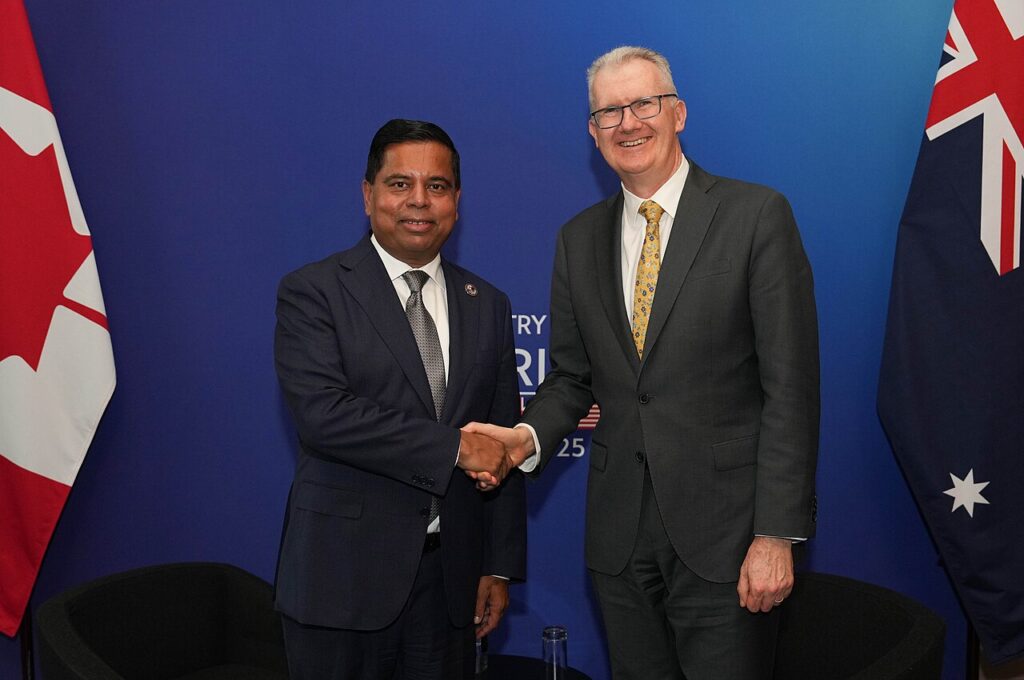
Announced 17 September 2026. Not yet in force. Home Affairs Minister Tony Burke set these changes out in an address to the National Press Club. The government has said it will deliver them through regulation rather than legislation, which means the detail — including commencement dates and transitional arrangements — will appear in instruments yet to be made. Nothing below has commenced. Do not withdraw, delay or lodge an application on the strength of an announcement. This is general information, not legal advice.
The migration package announced this afternoon is the largest single set of changes to Australia’s temporary visa settings this year, and it is aimed squarely at one thing: the number of people arriving on a temporary visa and then staying.
Burke put the reasoning in a sentence: “If you want to come on a temporary basis to Australia, apply for a temporary visa. If you want to come to Australia permanently, apply for a permanent visa.” The measures below are what that sentence looks like in practice.
The number driving all of it
Every measure in this package serves a net overseas migration target. Net overseas migration was around 300,000 in 2025. The government intends to bring it to 245,000 in 2026–27, and to 225,000 a year from 2028.
That matters for reading the rest of this article. These are not separate policy ideas that happen to have landed together — they are the levers available to reach a number, which is why they fall hardest on the largest temporary cohorts.
Student visas: family members
International students will be largely barred from bringing family members to Australia.
Two exceptions were named: students from Pacific and ASEAN countries, and PhD candidates. Families already in Australia are not affected.
The scale explains the target. Student visa grants topped 337,000 in the last full year, and close to 46,000 of those went to dependants.
Student visas: no more course hopping
Students will be required to progress to a higher qualification level. Transferring to a course at the same level, or dropping to a lower one, will be restricted.
This targets a specific pattern: enrolling in a degree, then moving sideways or down into a shorter and cheaper course to keep a visa alive while working. If you are a student considering a course change, this is the measure most likely to affect you and the one worth getting advice on before you enrol anywhere.
Working holiday makers: the deepest cuts
The second and third year Working Holiday Maker visas are being cut hard, and the third year moves to a ballot.
| Visa | Previously | Announced | How it will be allocated |
|---|---|---|---|
| Working Holiday — second year | 57,000 | 45,000 | Capped |
| Working Holiday — third year | 31,000 | 5,000 | Ballot |
The third year visa is the one to note. A drop from 31,000 to 5,000 is not a tightening of criteria — it is a reduction of roughly 84%, allocated by chance rather than by meeting requirements. Anyone currently completing specified work with a third year in mind should treat it as no longer something that can be planned around.
Visitor visas: No Further Stay on everything
A “No Further Stay” condition will be attached to all future visitor visas.
A No Further Stay condition (8503 and its relatives) prevents the holder from applying for most other visas while they remain in Australia. The stated intention is that families can visit for weddings, births and funerals without that visit becoming a pathway.
The practical effect is significant and easy to miss: a visitor who arrives and then wishes to apply onshore for a partner or student visa will not be able to, unless the condition is waived — and waiver is a narrow discretion, not a formality.
Ministerial Direction 119 updated
Direction 119 governs the order in which visa applications are processed. It is being updated to prioritise migrants in construction, agriculture, fisheries and teaching.
Processing priority is not the same as eligibility. A direction changes who is looked at first, not who qualifies — but in a system where processing time is often the whole problem, it matters.
Compliance and overstayers
The package also funds enforcement: 100 additional compliance officers and 250 additional detention beds, with the government exploring the repurposing of a Melbourne quarantine facility.
What this means if you are here now
- If your family is already in Australia on a student dependant visa — the announcement says existing families are not affected.
- If you were planning to bring family on a student visa — check whether you fall inside the Pacific, ASEAN or PhD exceptions before making any commitment.
- If you are working toward a third year Working Holiday visa — a ballot for 5,000 places cannot be planned around. It is worth looking now at whether another visa fits.
- If you are a student thinking about changing courses — get advice before you enrol, not after.
- If you have family planning to visit — understand that a future visitor visa is likely to carry No Further Stay, and plan any onshore application accordingly.
What we do not know yet
The announcement is a statement of intent. The things that decide how it affects an individual case are not yet public:
- Commencement dates for each measure.
- Transitional arrangements — whether applications already lodged are assessed under the current rules.
- The exact wording of the exceptions, which is where most of the real answers will sit.
- How the third year ballot will operate, and when it opens.
We will update this article as the instruments are made. If you have an application in progress or were about to lodge one, the sensible step is to get your situation looked at against what is actually in force today rather than acting on an announcement.
Sources: address to the National Press Club, 17 September 2026, as reported by the ABC and SBS. Figures quoted are those reported on the day and may be refined when the regulations are made. Photo: UK Home Office / James Whatling, CC BY 4.0.